 English
 KR
KR  IA
IA  JP
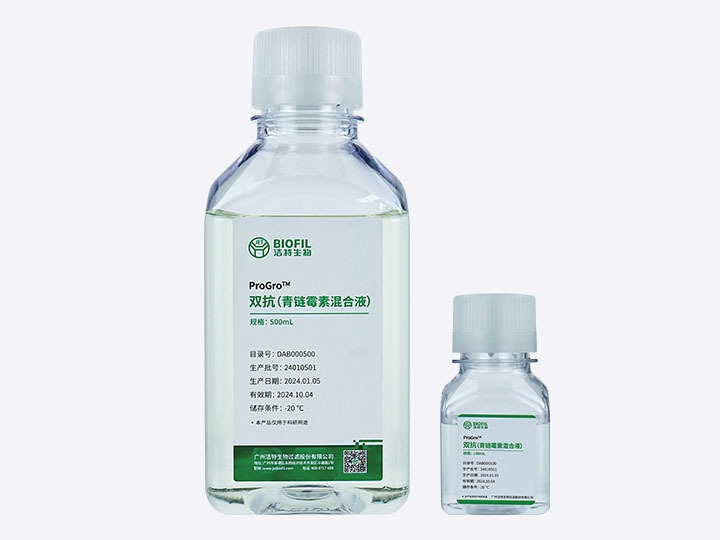
JP Penicillin–streptomycin (double antibiotics) is the most commonly used antibiotic combination in in vitro culture to prevent microbial contamination. Penicillin interferes with the synthesis of bacterial cell walls and is particularly effective against Gram-positive bacteria. Streptomycin binds to the 30S subunit of bacterial ribosomes, inhibiting protein synthesis, and is effective against both Gram-negative and Gram-positive bacteria, especially Gram-negative bacteria. The combined use of penicillin and streptomycin can prevent most bacterial contamination.



ProGro™ Penicillin-Streptomycin
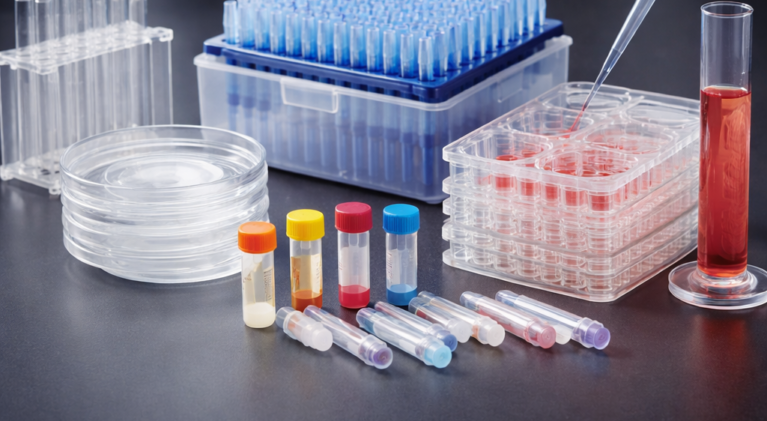
Biological Laboratory Consumables
We offer a comprehensive range of high-quality biological laboratory consumables designed to support accurate..
Read more
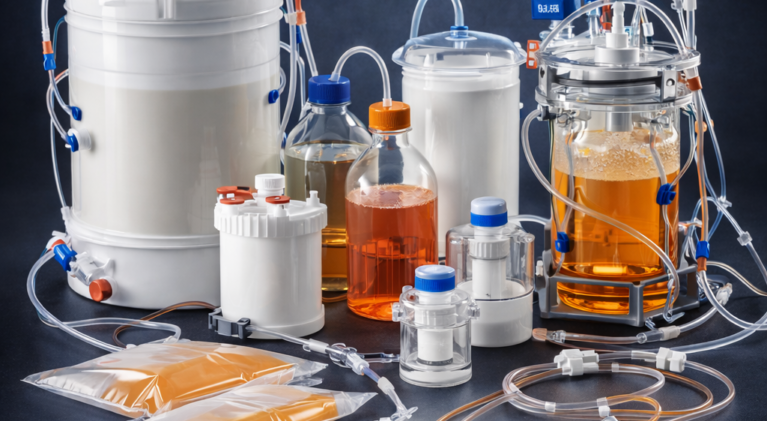
Bioprocess Consumables
Our bioprocess consumables are engineered to meet the demanding needs of biotechnology and pharmaceutical..
Read more
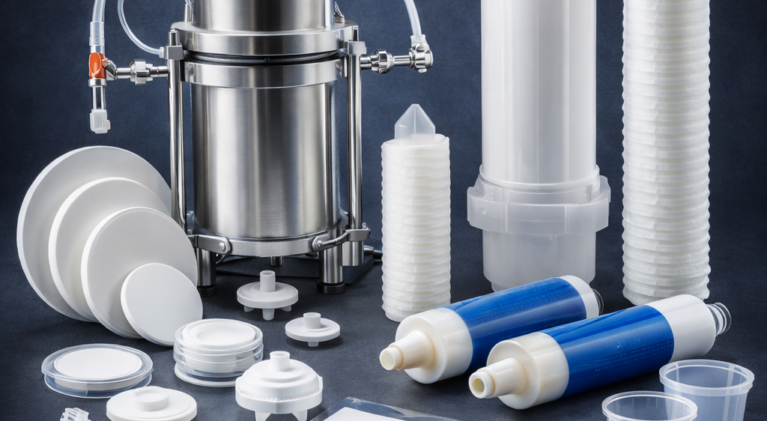
High-performance Membrane Materials
We provide advanced membrane materials designed for superior filtration and separation performance.
Read more
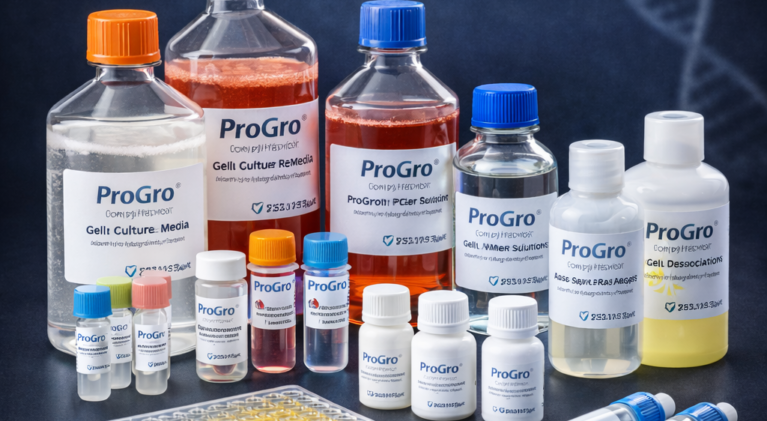
ProGro™ Biological Reagents
ProGro™ Biological Reagents are specially formulated to deliver consistent and reliable results in research and diagnostic…
Read more
Medical Devices
Our medical devices are designed with precision and safety in mind, meeting industry standards and regulatory…
Read more
Laboratory Instruments
We supply advanced laboratory instruments that ensure accuracy, efficiency, and ease of use. Our portfolio includes…
Read more

Customization Services
Understanding that every client has unique requirements, we offer customized solutions tailored to specific applications.
Read more

BIOSTAR Laboratory Tissue Paper
Understanding that every client has unique requirements, we offer customized solutions tailored to specific applications.
Read more