 English
 KR
KR  IA
IA  JP
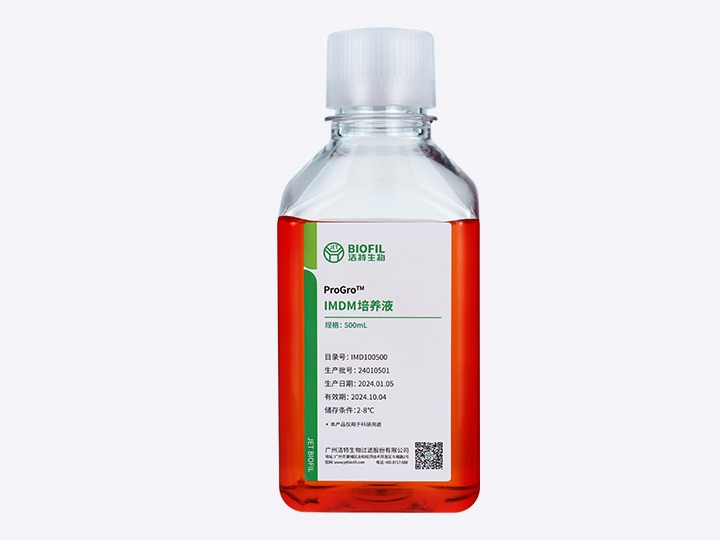
JP Jet Bio ProGro™ IMDM medium is based on DMEM medium with the addition of selenium, HEPES, sodium pyruvate, as well as extra amino acids and vitamins. Potassium nitrate is used instead of ferric nitrate, making it nutrient-rich and highly suitable for fast-growing, high-density cell cultures, including Jurkat, COS-7, and macrophages. IMDM medium can be used not only for culturing cells with special nutritional requirements (such as mouse B lymphocytes, LPS-stimulated B cells, bone marrow hematopoietic cells, T lymphocytes, and various hybridoma cells), but also as a basal medium for certain specialized serum-free media.


ProGro™ IMDM
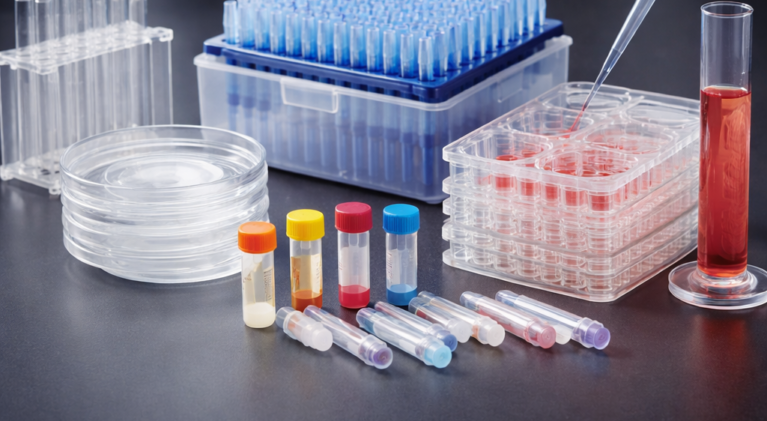
Biological Laboratory Consumables
We offer a comprehensive range of high-quality biological laboratory consumables designed to support accurate..
Read more
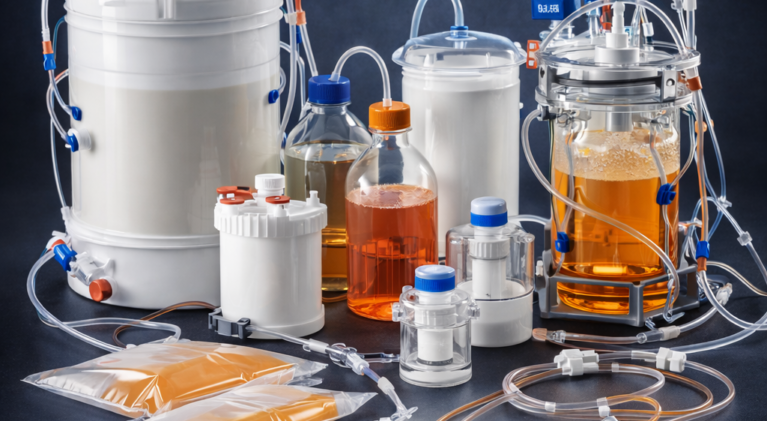
Bioprocess Consumables
Our bioprocess consumables are engineered to meet the demanding needs of biotechnology and pharmaceutical..
Read more
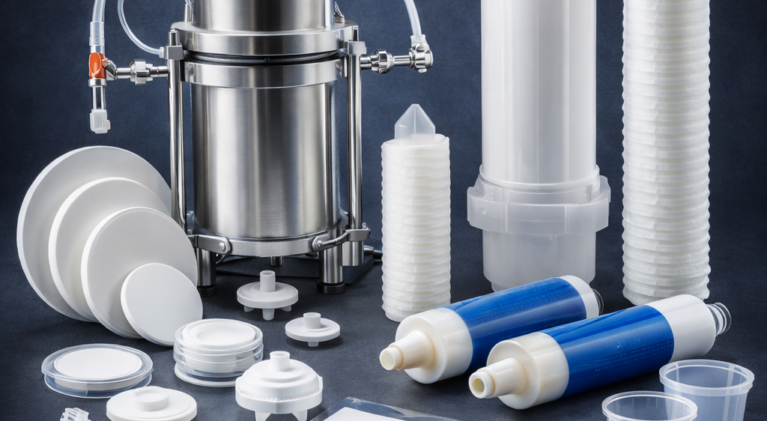
High-performance Membrane Materials
We provide advanced membrane materials designed for superior filtration and separation performance.
Read more
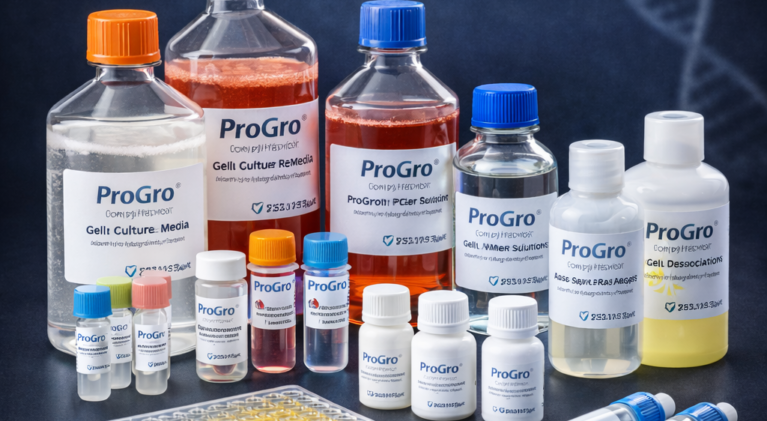
ProGro™ Biological Reagents
ProGro™ Biological Reagents are specially formulated to deliver consistent and reliable results in research and diagnostic…
Read more
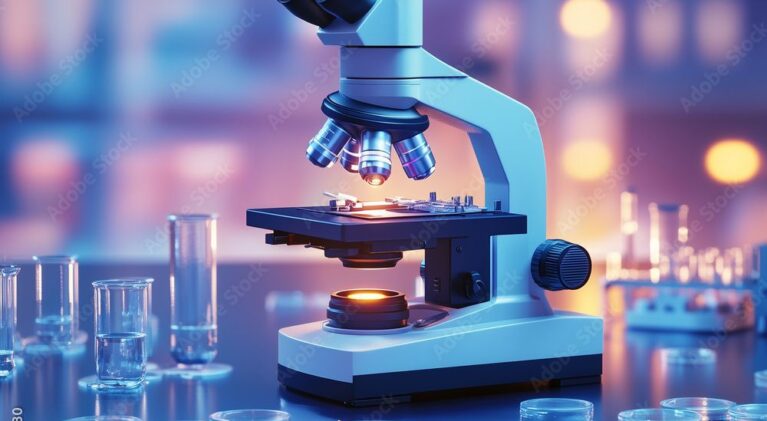
Medical Devices
Our medical devices are designed with precision and safety in mind, meeting industry standards and regulatory…
Read more

Laboratory Instruments
We supply advanced laboratory instruments that ensure accuracy, efficiency, and ease of use. Our portfolio includes…
Read more

Customization Services
Understanding that every client has unique requirements, we offer customized solutions tailored to specific applications.
Read more

BIOSTAR Laboratory Tissue Paper
Understanding that every client has unique requirements, we offer customized solutions tailored to specific applications.
Read more